
Allan Faqeer
Discover songs, music and releases from Allan Faqeer.
About Allan Faqeer
The culturally rich province of Sindh has produced many legendary artists who preserved the region’s spiritual traditions through music and poetry. Among these iconic voices, the name of Allan Faqir shines brightly. He is remembered as one of the greatest Sindhi Sufi folk singers whose voice carried the message of love, spirituality, and devotion.
Allan Faqir’s unique style, energetic stage presence, and deep connection with Sufi poetry made him a beloved figure across Pakistan. His music was not only entertainment but also a spiritual experience that reflected the mystical traditions of Sindh.
Born in 1932 and passing away on 4 July 2000, Allan Faqir left behind a remarkable musical legacy that continues to inspire generations of musicians and listeners.
Early Life and Background
Allan Faqir was born in 1932 in a village near Jamshoro, in the province of Sindh, Pakistan. His birth name was Allah Dino Khaskheli.
He grew up in a humble family environment where spirituality and music were part of daily life. From childhood, Allan Faqir showed a strong inclination toward music and devotional singing. His early life was closely associated with Sufi traditions, particularly the shrine culture that is deeply rooted in Sindhi society.
As a young boy, he spent much of his time at the shrine of the great Sufi saint Shah Abdul Latif Bhittai in Bhit Shah. These experiences played a crucial role in shaping his musical personality and spiritual outlook.
Listening to the recitation of Sufi poetry and the singing of wandering faqirs inspired him to pursue a life dedicated to music and devotion.
Musical Journey
Allan Faqir’s musical journey began in spiritual gatherings and cultural festivals where traditional Sindhi music was performed. His extraordinary voice and natural rhythm quickly attracted attention.
Unlike classical musicians who follow strict training systems, Allan Faqir developed his style organically through experience and devotion. His music blended:
- Sindhi folk traditions
- Sufi spiritual poetry
- Energetic performance style
- Deep emotional expression
One of the most recognizable features of Allan Faqir’s performances was his ecstatic singing style. He often sang with intense passion while swaying rhythmically, creating a powerful connection with the audience.
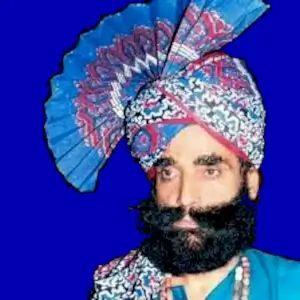
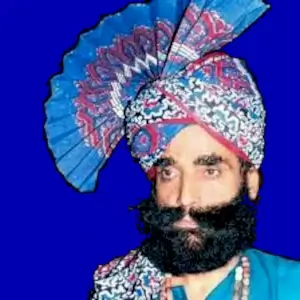
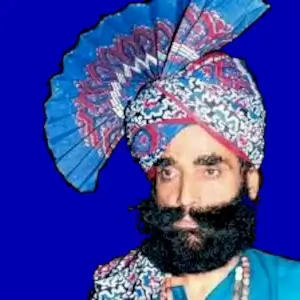
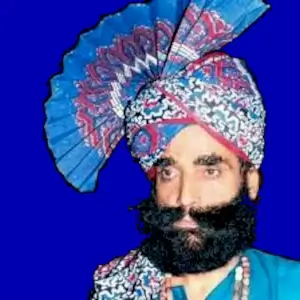
His distinctive appearance—long hair, colorful Sindhi clothing, and traditional cap—also became a symbol of Sindhi cultural identity.
Breakthrough and National Recognition
Allan Faqir gained widespread recognition during the 1970s when he began performing on Pakistan Television Corporation. His performances introduced Sindhi Sufi music to audiences across Pakistan.
One of the most famous songs associated with him is Humma Humma, which he performed with Muhammad Ali Shehki. The song became extremely popular and remains one of the most recognizable Sufi-inspired songs in Pakistan.
Through radio and television, Allan Faqir’s voice reached millions of listeners. His performances played an important role in promoting Sindhi culture on a national platform.
Influence of Sufi Poetry
Like many Sindhi folk singers, Allan Faqir drew deep inspiration from the poetry of Shah Abdul Latif Bhittai, the great Sufi poet of Sindh.
Bhittai’s poetry focuses on themes such as:
- Spiritual love
- Human unity
- Devotion to God
- Moral courage and patience
Allan Faqir sang many poetic stories from Bhittai’s famous work Shah Jo Risalo. These stories include legendary Sindhi heroines such as:
- Sassi
- Marvi
- Moomal
- Sohni
Through his emotional singing, Allan Faqir brought these stories to life and helped new generations understand the spiritual wisdom contained in Sufi poetry.
Unique Singing Style
One of the reasons for Allan Faqir’s popularity was his distinctive and energetic performance style.
His singing often included rhythmic vocal expressions and spontaneous movements that reflected spiritual ecstasy. When he performed, he appeared completely immersed in the music.
Key elements of his musical style included:
- Powerful and expressive voice
- Rhythmic body movements during singing
- Emotional storytelling
- Use of traditional folk melodies
His performances were often described as spiritual experiences rather than simple concerts.
Listeners felt that his music carried the spirit of Sindhi Sufism and devotion.
Contribution to Sindhi Folk Music
Allan Faqir played a major role in preserving and promoting Sindhi folk and Sufi music.
During a time when modern pop music was becoming popular, he continued to perform traditional poetry and folk compositions. His work helped keep Sindhi cultural traditions alive.
His music connected people from different backgrounds because its themes were universal:
- Love
- Humanity
- Spiritual devotion
- Cultural identity
Through his performances, Allan Faqir became a cultural ambassador of Sindh.
Awards and Recognition
Due to his immense contribution to Pakistani music, Allan Faqir received several honors during his lifetime.
One of the most prestigious recognitions he received was the Pride of Performance, awarded by the Government of Pakistan.
This award acknowledged his outstanding role in promoting Sindhi culture and Sufi music across the country.
Even after his death, Allan Faqir continues to be celebrated as one of the most influential folk singers in Pakistan.
Personality and Life Philosophy
Despite his fame, Allan Faqir remained a humble and spiritual person throughout his life.
He believed that music was a form of devotion rather than a means of commercial success. His performances reflected sincerity, humility, and deep spiritual feeling.
Those who met him often described him as friendly, generous, and deeply connected to the traditions of Sindh.
His lifestyle remained simple, reflecting the philosophy of Sufi faqirs who prioritize spirituality over material wealth.
Death and Legacy
The legendary Sindhi Sufi singer Allan Faqir passed away on 4 July 2000.
His death was widely mourned by music lovers across Pakistan, especially in Sindh, where he was regarded as a cultural icon.
Even today, his songs continue to be played on the radio, television, and cultural programs. Young musicians often study his style to understand the spirit of Sindhi folk music.
His music remains an important part of Sindh’s cultural heritage.
Famous Songs of Allan Faqir
Some of the most popular songs and performances associated with Allan Faqir include:
- Humma Humma
- Allah Hi Allah Karyo
- Tunjho Naam Allah
- Sindhri Te Sir
- Ho Jamalo
- Dama Dam Mast Qalandar (Sindhi Renditions)
- Bhittai Kalam Performances
These songs reflect the spiritual depth and cultural richness of Sindhi Sufi music.
Cultural Impact
Allan Faqir’s influence extends far beyond music. He became a symbol of Sindhi identity and pride.
His colorful attire, passionate singing, and dedication to Sufi poetry made him one of the most recognizable cultural figures in Pakistan.
Today, cultural festivals and music programs often celebrate his legacy. Many Sindhi singers continue to perform his songs, ensuring that his musical heritage remains alive.
Conclusion
The life and music of Allan Faqir represent the spiritual heart of Sindh. Through his voice, he carried the poetry of Shah Abdul Latif Bhittai and the traditions of Sindhi Sufism to millions of listeners.
His passionate performances, humility, and devotion to music made him one of the greatest folk singers in Pakistan’s history.
All Songs
Explore songs by Allan Faqeer
Similar Artists
Discover more artists you may enjoy