
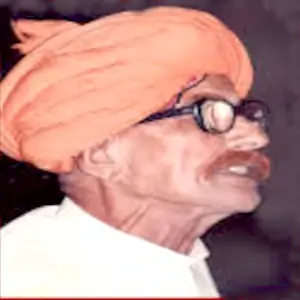
Dhol Faqeer
Discover songs, music and releases from Dhol Faqeer.
About Dhol Faqeer
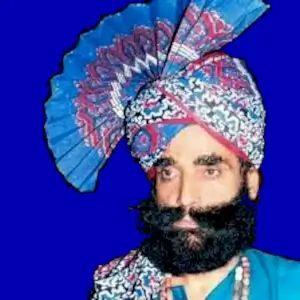
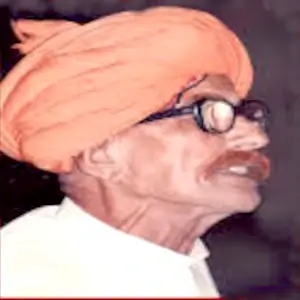
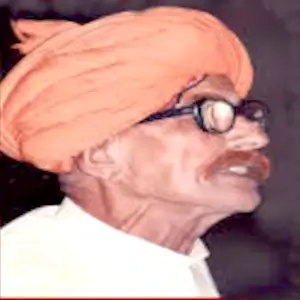
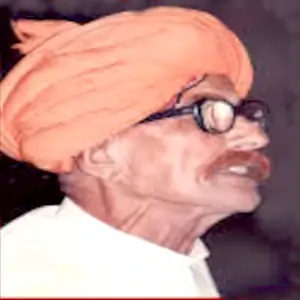
The rich cultural land of Sindh has produced many legendary singers who preserved the region’s spiritual and poetic traditions through music. Among these unforgettable voices stands the name of Dhol Faqir, one of the most respected Sindhi Sufi singers of the twentieth century.
Dhol Faqir was not merely a performer; he was a spiritual storyteller whose music carried centuries of Sindhi culture, folklore, and Sufi philosophy. His simple yet powerful singing style touched the hearts of listeners across Sindh and beyond. Through his soulful voice and the sound of the traditional ektara, he kept alive the poetic heritage of the great Sufi saints.
Born in 1917 and passing away on 22 June 1992, Dhol Faqir left behind a musical legacy that continues to inspire lovers of Sindhi Sufi music even today.
Early Life and Cultural Roots
Dhol Faqir was born in a rural region of Sindh during the early twentieth century, a time when folk traditions were deeply rooted in everyday life. Villages across Sindh were known for their gatherings of poets, storytellers, and wandering faqirs who sang mystical poetry.
Growing up in this environment, Dhol Faqir was naturally drawn toward music and spiritual expression. From an early age, he was exposed to:
- Folk storytelling traditions
- Sufi poetry recitations
- Musical gatherings at shrines and villages
- Performances of wandering Sufi singers
Unlike many modern musicians who receive formal training, Dhol Faqir developed his musical talent organically. He learned by listening, observing, and participating in cultural gatherings.
This deep connection to Sindh’s traditions later became the foundation of his unique musical identity.
Unique Singing Style
One of the most remarkable aspects of Dhol Faqir’s music was his distinctive singing style, which was instantly recognizable.
He usually performed with a simple traditional instrument called the ektara, a one-string instrument commonly used by Sufi singers and faqirs. Despite its simplicity, the ektara created a hypnotic rhythm that complemented his storytelling.
During his performances, Dhol Faqir would often include expressive vocal sounds such as:
- “Ha… Ha…”
- “Hun… Hun…”
- “Bhalo Ri…”
These vocal expressions added emotion, rhythm, and spiritual depth to his singing. They were not random sounds but part of the storytelling tradition of Sindhi Sufi music.
His performances were often slow, rhythmic, and deeply emotional, allowing listeners to fully absorb the meaning of the poetry.
Influence of Sufi Poetry
A major inspiration behind Dhol Faqir’s music was the poetry of the great Sindhi Sufi saint Shah Abdul Latif Bhittai.
Shah Latif’s poetry is considered one of the greatest literary treasures of Sindh. His verses describe spiritual love, devotion, patience, and the human search for truth.
Dhol Faqir dedicated much of his singing career to performing Bhittai’s poetry. Through music, he helped bring these centuries-old verses to new generations of listeners.
Some of the famous Sindhi folklore characters he often sang about include:
- Sassi – symbol of eternal love and devotion
- Marvi – symbol of loyalty to homeland
- Moomal and Rano – symbols of love and sacrifice
- Sohni and Mehar – symbols of passion and devotion
These stories were not simply entertainment. In Sufi philosophy, they represent deeper spiritual meanings such as the soul’s longing for the Divine.
Through his powerful voice, Dhol Faqir turned these poetic stories into emotional musical journeys.
Role in Sindhi Folk and Sufi Music
Dhol Faqir played a significant role in preserving the Sindhi Sufi music tradition.
At a time when modern musical influences were slowly entering South Asia, he continued to perform traditional poetry in its authentic form. His music remained deeply connected to the roots of Sindhi culture.
His performances often took place at:
- Cultural festivals
- Village gatherings
- Spiritual gatherings (mehfil)
- Sufi shrines
Unlike modern concerts, these gatherings were intimate and spiritual experiences. Listeners would sit quietly while the singer narrated poetic stories through music.
Dhol Faqir’s voice had the ability to create a spiritual atmosphere that deeply moved audiences.
Personality and Character
Those who personally met Dhol Faqir often spoke about his humble and friendly nature.
Despite his popularity, he lived a simple life and never showed arrogance or pride. Visitors who attended his gatherings often experienced warm hospitality and heartfelt conversations.
He believed that music should remain a spiritual expression rather than a commercial performance. This philosophy shaped both his life and his music.
Many admirers compare the sincerity of his performances with modern artists, noting that his music carried a depth and purity rarely found today.
Musical Legacy
Dhol Faqir’s contribution to Sindhi music is immense. Through his performances, he helped preserve:
- Sufi poetry traditions
- Sindhi folklore storytelling
- Traditional singing techniques
- Spiritual music gatherings
Even decades after his passing, his recordings continue to circulate among music lovers. His songs are played at cultural events, spiritual gatherings, and on radio programs dedicated to Sindhi heritage.
Many contemporary Sindhi singers consider him an important inspiration.
Death
The legendary Sindhi Sufi singer Dhol Faqir passed away on 22 June 1992.
His death marked the end of an era in traditional Sindhi folk and Sufi music. However, his voice continues to live through recordings and cultural memory.
Today he is remembered not only as a singer but also as a guardian of Sindh’s spiritual musical heritage.
Famous Songs and Renditions of Dhol Faqir
Some of the well-known performances and poetic renditions associated with Dhol Faqir include:
- Sassi Punnun
- Umar Marvi
- Moomal Rano
- Sohni Mehar
- Sur Marui Renditions
- Shah Latif Kafi Performances
- Sindhi Folk Sufi Kalam
- Traditional Bhittai Sur Interpretations
These songs and poetic narrations remain important parts of Sindhi musical heritage.
Legacy in Sindhi Culture
The influence of Dhol Faqir can still be seen in modern Sindhi music. Many contemporary artists attempt to recreate his emotional singing style and storytelling approach.
However, few have been able to match the depth and sincerity of his performances.
His music represents:
- The spiritual soul of Sindh
- The poetry of Shah Abdul Latif Bhittai
- The storytelling tradition of Sindhi folklore
- The simplicity of Sufi devotion
For these reasons, Dhol Faqir continues to be remembered as one of the greatest Sindhi Sufi singers in history.
All Songs
Explore songs by Dhol Faqeer
Similar Artists
Discover more artists you may enjoy